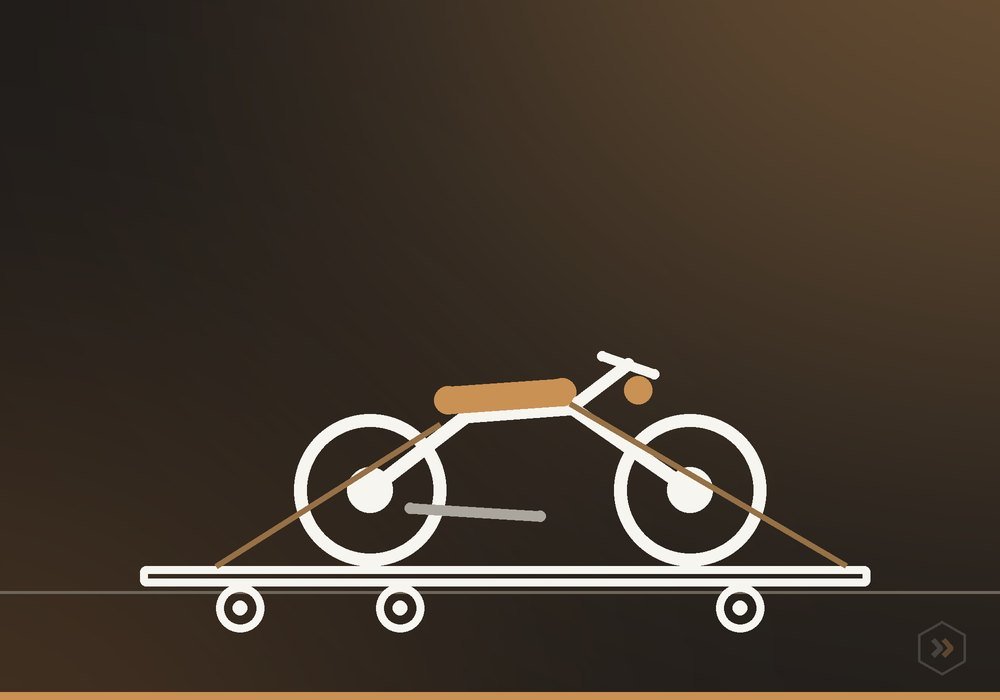
How your bike travels
Two-wheelers are the easiest thing in logistics to handle badly. Ours are wrapped at the tank, handlebars and exhaust, mounted on a wheel chock and secured with soft straps over the frame rather than the suspension, which is what causes fork damage on cheaper moves.
Bikes travel either alongside a vehicle load on a car carrier, which is the cheaper option, or as a standalone consignment in a closed container when you need a fixed date.
What is included
- Protective wrapping on tank, handlebars, mirrors and exhaust
- Wooden crating for premium, imported or heavily modified bikes
- Photographic condition report signed before loading
- Declared-value transit insurance
- Progress updates from your coordinator, and door delivery
Before we collect the bike
- Drain the fuel to nearly empty — required for safety and by most carriers
- Remove saddlebags, phone mounts, cameras and anything else detachable
- Disconnect the battery if the bike will be stored at either end
- Fold or remove the mirrors so nothing catches during loading
- Keep the registration certificate and insurance copy with you
Typical costs and timing
| Option | Timing | Relative cost |
|---|---|---|
| Alongside a car load | Follows the carrier schedule, 5 to 10 days | Baseline |
| Standalone container | Fixed date, 4 to 8 days | Higher |
| Crated, premium bikes | Adds a day at origin for crating | Crating charged separately |
Scroll sideways to see the full table
Replace with your own timing and commercial figures.
At a glance
- Handled
- Motorcycles, scooters
- Typical transit
- 4 to 10 days
- Crating
- On request
- Insurance
- Declared value
Moving a bike, or a bike and a car together?
Sending both on one consignment is usually cheaper than booking them separately.